


Links' Africa Hub - The Vision
March 1, 2024
Over the past 6 years the Links Africa office has served and done training with twelve partner organisations across Kenya, Zambia, Malawi and Uganda, out of its temporary base in Malawi where Sam Walker, our Africa Region Coordinator, works. Links has always been considering expanding our regional offices into regional hubs to further benefit our partners.
In 2024, Links is moving forward to develop Links' Africa Hub in Kenya, where we have been generously given land and property from Peacemakers who are one of our longstanding Act4you clients. This site will help us practise what we teach to our partners around the world - to become more strategic and more sustainable.
This new Africa Hub will create more partnerships within Africa due to its prime location.
It will become a site of excellence to showcase Links' core activities and holistic values.
It will provide locally-sourced income streams for our involvement with partners on the continent.
It will be the administrative base to serve all of our Africa partners effectively.
Links' work will continue with all our partners in other African nations, including Malawi, but from 2024 Sam will head the development of our new Africa Hub in Kenya alongside previous Peacemakers' staff and volunteers, rather than being based out of Malawi.
Join us in praying and supporting this exciting new vision!
Norman and Pat's Trip to Kenya
October 1, 2026
Norman and Pat have just visited the Links Africa Hub in Kenya! Norman's first trip to Kenya was in 1994, when he spoke at a conference organised by Brenda Marshall and Peacemakers just outside Embu. He tells us all about what it was like returning 32 years later.
.jpg)
The Hand Up Appeal: From Crisis Response to Lasting Transformation
October 1, 2026
Over recent months, our partners have been responding to a number of devastating crises around the world, including earthquakes in Venezuela and Colombia, flooding in Pakistan, and severe flooding and landslides in Nepal. While emergency support provides a vital lifeline, lasting transformation comes when people are given opportunities to rebuild livelihoods, generate income and restore dignity.
.jpg)
Walking 100km for India - From Vigo to Santiago Spain
October 1, 2026
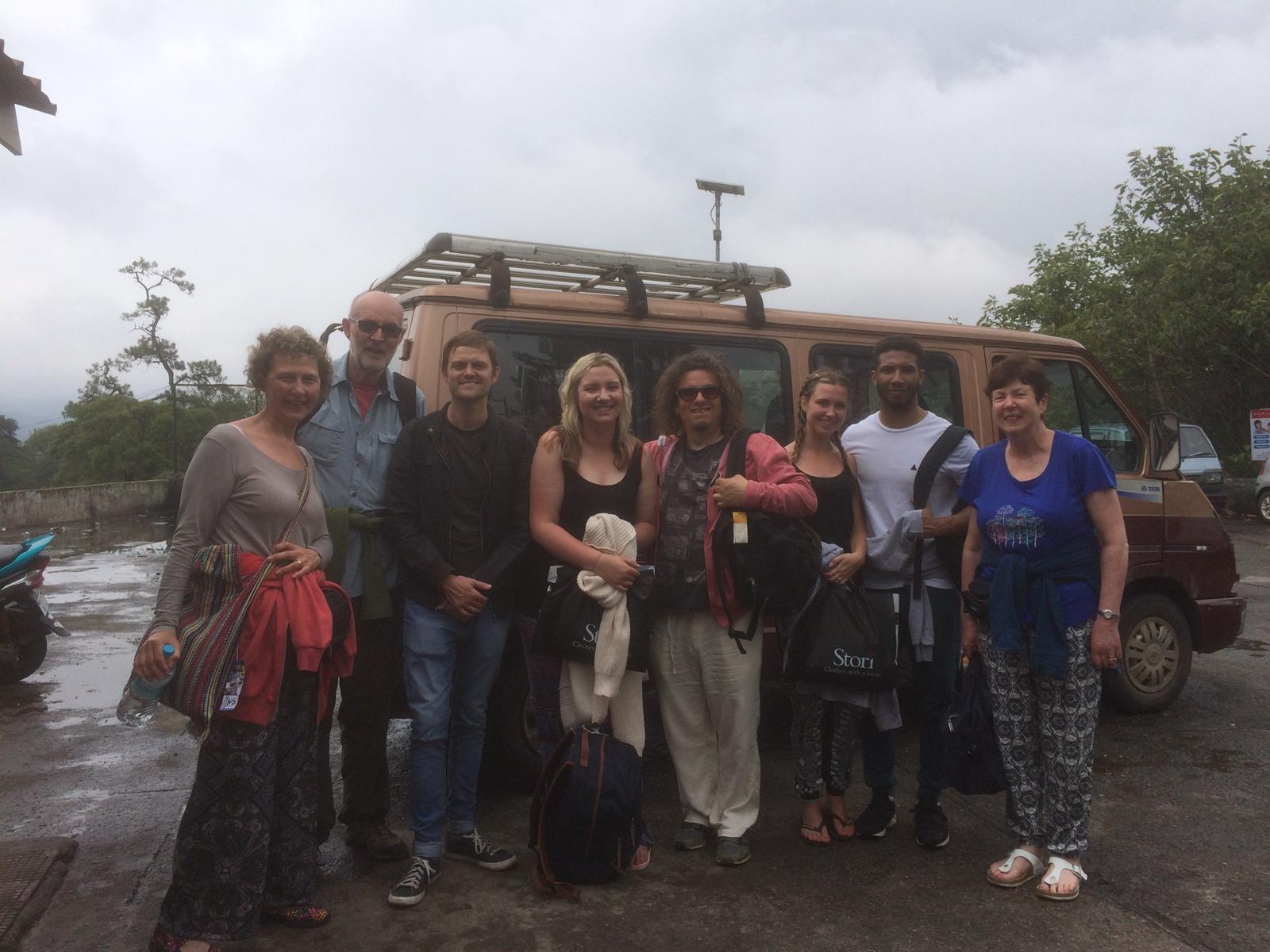
This October, our amazing supporter and fundraiser Nick will be taking on a challenge that will push him well beyond his comfort zone - walking 100km from Vigo to Santiago de Compostela along the Camino de Santiago. He will be raising money for New Life Ministry in Shillong, India.
Connecting the Church Across Continents
September 1, 2026
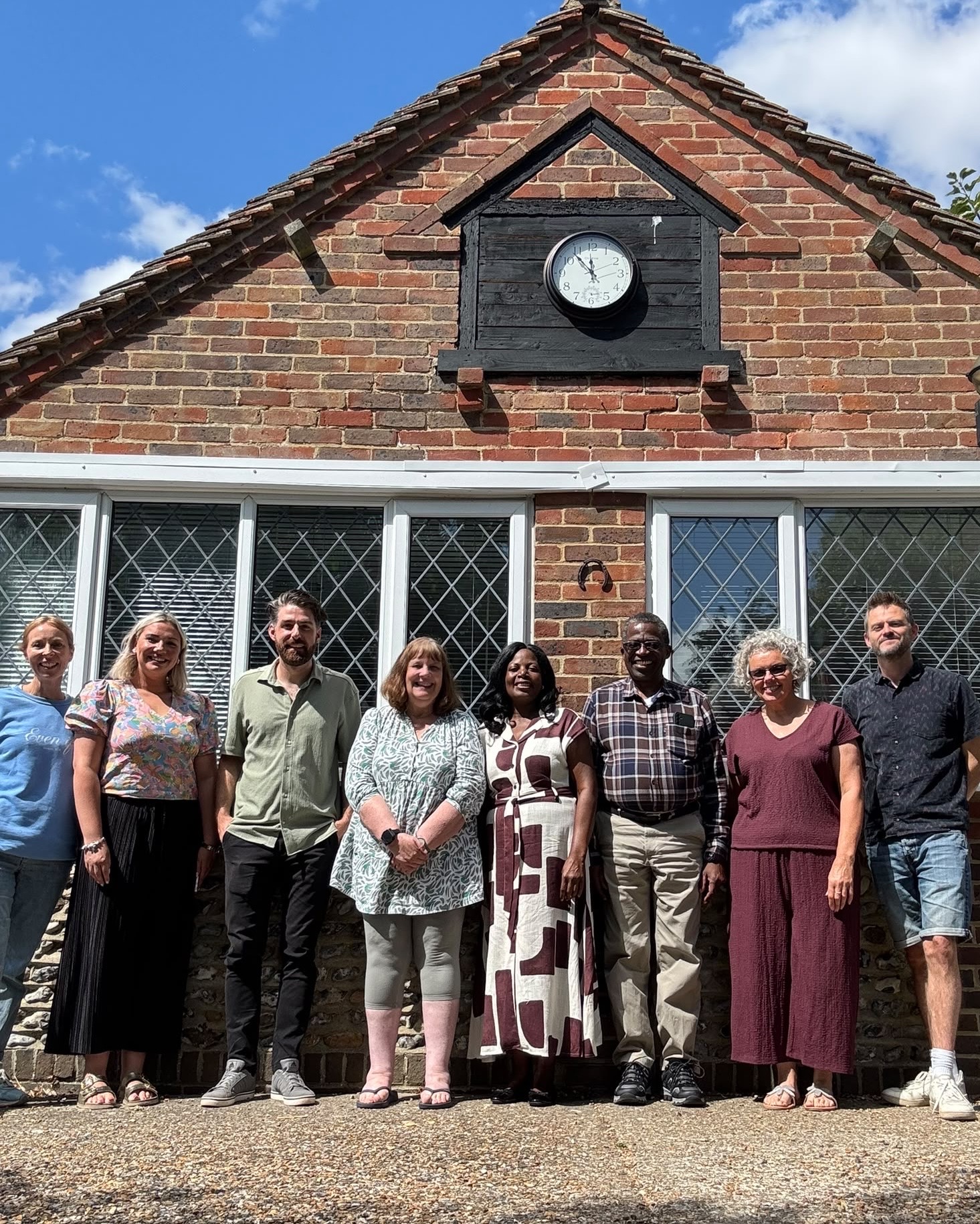
At Links, we love connecting the Church around the world. One of our longest Church Connect partnerships is between Hope Missions Ministries (HMM) in Malawi and Ashwood Church in the UK.
Introducing the Hand Up Appeal: Building Sustainable Futures
September 1, 2026
At Links, we believe business can be a powerful force for good - creating opportunities, building confidence and helping people develop the skills they need to shape a brighter future. Today, we’re proud to introduce our new Hand Up Appeal - an appeal focused on the powerful connection between business, sustainability and enterprise.
