
.jpg)

The Power of Regular Giving
June 30, 2025
Regular giving is so important to us and the work we carry out around the world. Here's why:
Stable Funding: It provides a reliable and consistent source of income, helping us plan and allocate resources more effectively. This stability allows us to focus on our mission.
Long-Term Impact: Regular donations enable us to make long-term investments into our programs and partnerships. It helps create sustainable solutions rather than relying on one-time, short-term funding.
Cost-Effective: Regular donors are often more cost-effective for us to maintain than one-time donors because they don’t require as much outreach and solicitation. This means more of the funds go directly to the cause.
Stronger Relationships: It allows us to build a relationship with our donors. Regular givers tend to feel more connected to the cause, and we can keep them updated on the impact of their donations, fostering a sense of community and partnership.
Flexibility: With regular giving, we have the flexibility to use funds for urgent or emerging needs, knowing we have a steady stream of donations coming in.
Predictable Growth: Regular donations allow us to anticipate growth and invest in new projects or expand existing ones. This predictability helps us reach our goals more efficiently.
In essence, regular giving helps us not only survive but thrive, making a more lasting and meaningful impact on the communities we serve.
Norman and Pat's Trip to Kenya
October 1, 2026
Norman and Pat have just visited the Links Africa Hub in Kenya! Norman's first trip to Kenya was in 1994, when he spoke at a conference organised by Brenda Marshall and Peacemakers just outside Embu. He tells us all about what it was like returning 32 years later.
.jpg)
The Hand Up Appeal: From Crisis Response to Lasting Transformation
October 1, 2026
Over recent months, our partners have been responding to a number of devastating crises around the world, including earthquakes in Venezuela and Colombia, flooding in Pakistan, and severe flooding and landslides in Nepal. While emergency support provides a vital lifeline, lasting transformation comes when people are given opportunities to rebuild livelihoods, generate income and restore dignity.
.jpg)
Walking 100km for India - From Vigo to Santiago Spain
October 1, 2026
This October, our amazing supporter and fundraiser Nick will be taking on a challenge that will push him well beyond his comfort zone - walking 100km from Vigo to Santiago de Compostela along the Camino de Santiago. He will be raising money for New Life Ministry in Shillong, India.
Connecting the Church Across Continents
September 1, 2026
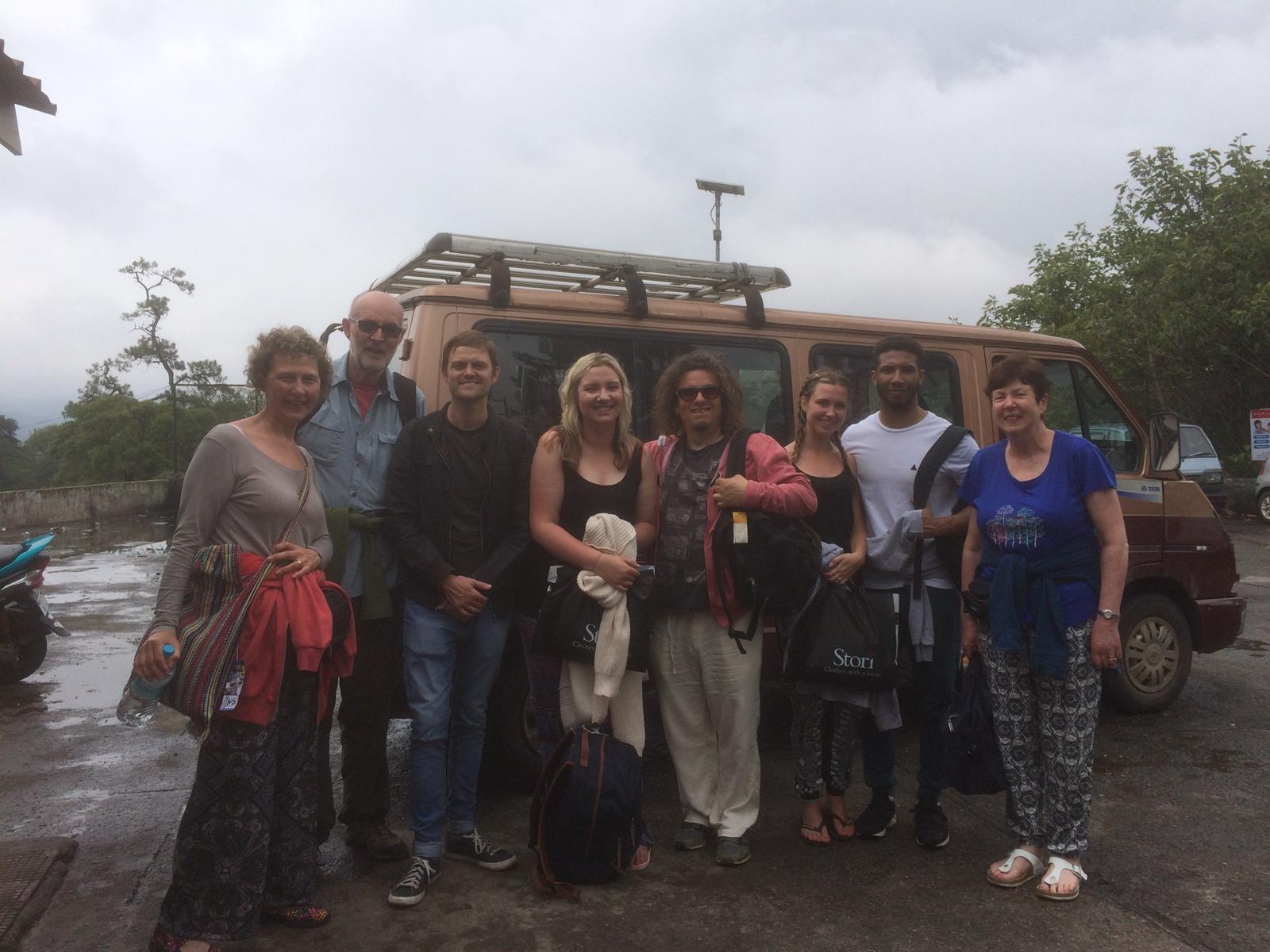
At Links, we love connecting the Church around the world. One of our longest Church Connect partnerships is between Hope Missions Ministries (HMM) in Malawi and Ashwood Church in the UK.
Introducing the Hand Up Appeal: Building Sustainable Futures
September 1, 2026
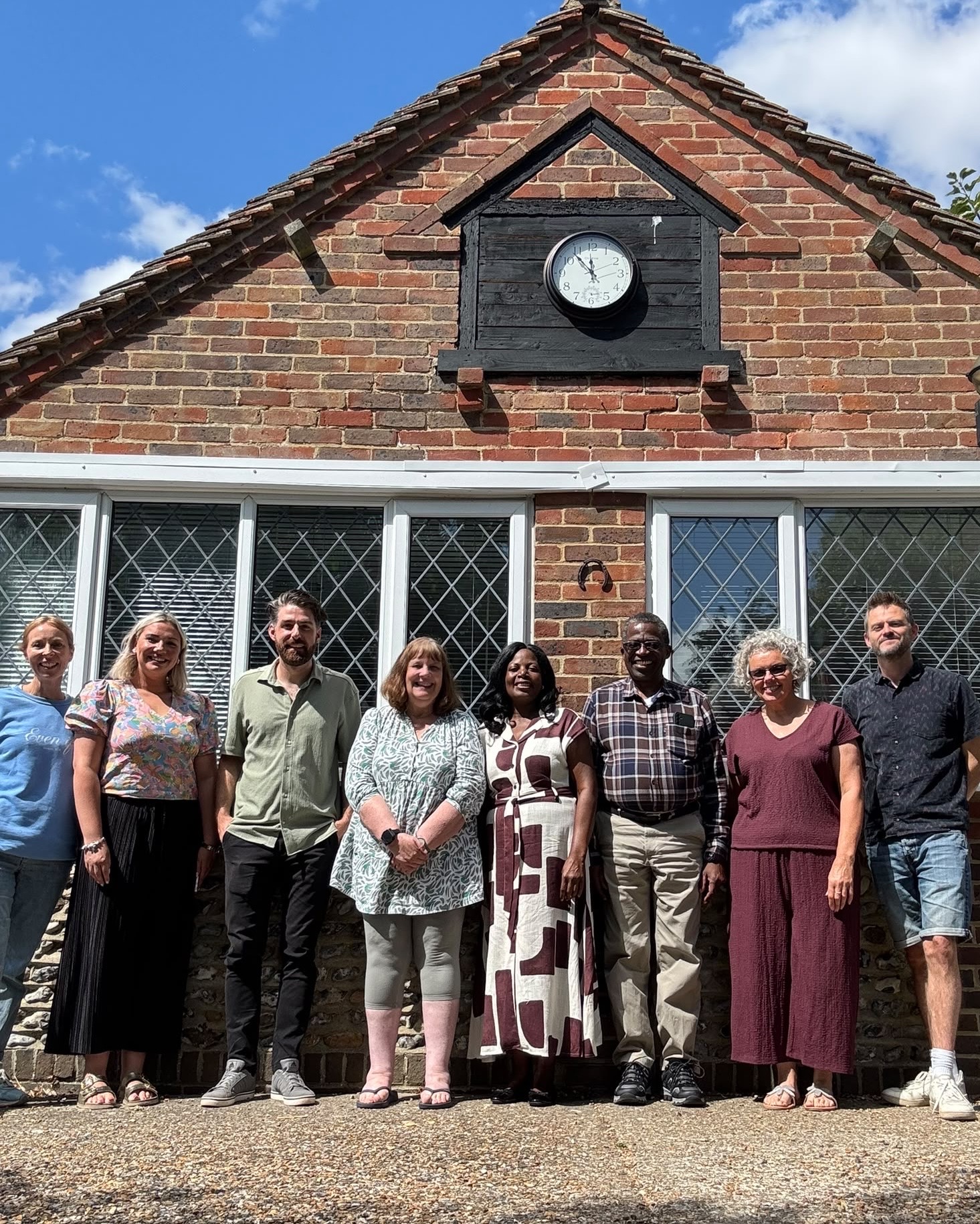
At Links, we believe business can be a powerful force for good - creating opportunities, building confidence and helping people develop the skills they need to shape a brighter future. Today, we’re proud to introduce our new Hand Up Appeal - an appeal focused on the powerful connection between business, sustainability and enterprise.
